


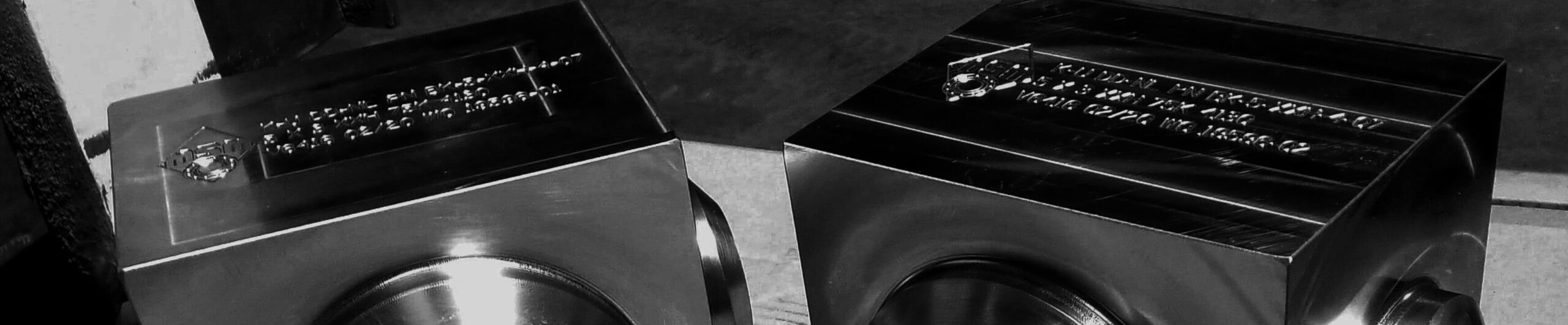
Threaded Flanges: The Essential Weld-Free Solution for Hazardous Environments
In explosive atmospheres where a single spark can trigger catastrophic failure, threaded flanges represent the difference between safe operations and potential disaster. When refineries process volatile hydrocarbons, offshore platforms operate in confined spaces, or natural gas facilities handle explosive media, welding becomes not just impractical—it becomes prohibited. Threaded flanges, also known as screwed flanges or NPT flanges, provide the critical weld-free connection that enables safe piping assembly in these high-risk environments.
This guide examines when threaded flanges become essential, how they compare to welded alternatives, and why they remain indispensable for oil and gas operations where safety cannot be compromised.
When Welding Is Not an Option: Critical Applications for Threaded Flanges
Explosive and Hazardous Atmospheres
Threaded flanges excel in applications involving highly reactive or explosive media, where hot work restrictions make welding impossible. These flanges enable the joining of male pipe ends without weld connections, facilitating safe assembly and disassembly in volatile environments.
Refineries and Petrochemical Plants: In process areas saturated with volatile hydrocarbons, any form of hot work poses extreme hazards. Threaded flanges are extensively used for small-bore piping connections, typically 4 inches in diameter or less, serving utility lines for instrument air, plant air, nitrogen, and water systems. They provide essential connections in areas where flammable liquids are stored or transferred, ensuring system modifications can be completed without introducing ignition sources.
Offshore Platforms and Wellheads: The confined operational footprint of offshore platforms amplifies hot work risks, making threaded flanges a safety imperative. These flanges are integral to wellhead assemblies where components require frequent installation or removal during well servicing operations. Chemical injection lines delivering corrosion inhibitors and other additives rely on threaded flange connections for safe, reliable service.
Natural Gas Processing Facilities: In natural gas plants and pipeline compressor stations, threaded flanges serve utility connections and instrument lines. They prove especially critical in systems handling highly reactive media where welding heat could trigger uncontrolled chemical reactions or decomposition.
API 6A Recognition for Oilfield Services
Threaded flange connections are commonly employed in API oilfield services, particularly when male NPT pipe connections are required. The American Petroleum Institute (API) 6A specification, governing wellhead and Christmas tree equipment, recognizes threaded flanges as essential components for critical high-pressure applications. While female center NPT threaded flange connections are most common, API 6A also permits male thread flange connections for specialized applications.
Maintenance and Operational Flexibility
Threaded flanges provide unmatched operational flexibility for systems requiring periodic assembly and disassembly. This capability makes them ideal for:
Temporary Piping Systems: Well testing, process bypasses, and short-term production setups benefit from threaded flanges’ rapid installation and removal capabilities without destructive cutting. Their inherent reusability provides significant economic advantages over single-use welded connections.
Brownfield Modifications: Executing modifications on existing facilities presents immense challenges when hot work is required. Threaded flanges offer a cold work alternative, allowing engineers to add new lines, instruments, or connection points with minimal disruption to ongoing operations.
Frequent Maintenance Applications: Systems requiring regular inspection, cleaning, or component replacement rely on threaded flanges’ easy assembly and disassembly characteristics. This eliminates the need for cutting and re-welding during routine maintenance cycles.
Technical Specifications for Threaded Flanges
Threading Standards and Sealing Mechanism
Threaded flanges feature precision-machined internal (female) threads within their bore, designed to accept pipes with corresponding external (male) threads. The most prevalent design utilizes National Pipe Thread (NPT) tapered threads per ASME B1.20.1 standards.
The tapered thread profile creates an interference fit as the male-threaded pipe tightens into the female-threaded flange. This converging geometry produces a progressively tighter metal-to-metal seal that resists internal pressure and prevents leakage. The mechanical engagement forms the foundation of the joint’s structural integrity.
Pressure and Temperature Limitations
While standards permit manufacturing threaded flanges in pressure classes up to API 15000, industry best practices limit their use to API 2000 and below for safety reasons.. At elevated temperatures, precise thread geometry can distort, leading to seal integrity loss and potential leakage.
Threaded flange connections are not recommended for:
- Services with significant temperature fluctuations (thermal cycling)
- Temperatures above 500°F (260°C)
- Temperatures below -50°F (-45°C)
- High-vibration environments where threads may loosen over time
Material Selection for Threaded Flanges
Carbon Steel Threaded Flanges (ASTM A105): The most common choice for general industrial applications, providing excellent strength and durability for moderate temperature and pressure environments with non-corrosive media.
Stainless Steel Threaded Flanges (ASTM A182): Essential for applications involving corrosive fluids or requiring high purity. Grades F304/304L and F316/316L offer superior resistance to chemical attack and are standard in chemical processing, offshore platforms, and water treatment facilities.
Alloy Steel Threaded Flanges: For elevated temperature and pressure service exceeding carbon steel capabilities, Chrome-Moly grades F5, F9, F11, and F22 provide enhanced high-temperature strength and creep resistance
Threaded Flanges vs. Weld Neck Flanges: A Critical Comparison
Understanding when to specify threaded flanges versus weld neck flanges requires analyzing their fundamental differences in design, application, and performance characteristics.
| Feature | Threaded Flange | Weld Neck Flange |
| Connection Method | Mechanical (screwed onto pipe threads) | Metallurgical (butt-welded to pipe) |
| Primary Application | Hazardous areas where welding prohibited; frequent assembly/disassembly | High-pressure, high-temperature, critical service applications |
| Installation Requirements | No hot work, no certified welder required | Requires certified welder, hot work permits, specialized equipment |
| Pressure Rating | Limited to API 2000 in practice | Suitable for all API pressure classes up to 20000+ |
| Temperature Capability | Limited; risk of thread distortion at elevated temperatures | High; limited only by material properties |
| Stress Resistance | Moderate; threads create stress concentration points | Excellent; tapered hub ensures smooth stress transfer |
| Vibration Resistance | Lower; mechanical connection can loosen under vibration | Excellent; monolithic welded joint highly vibration-resistant |
| Disassembly | Easy; can be unscrewed for maintenance | Very difficult; requires cutting the weld |
| Initial Cost | Higher due to precision threading | Lower manufacturing cost |
| Installation Cost | Lower (no welder, permits, or hot work) | Higher (labor, equipment, inspection requirements) |
When to Choose Threaded Flanges
Threaded flanges become the optimal choice when:
- Small-bore piping (≤4 inches) operates at API 2000 or lower pressure ratings
- Welding is prohibited due to explosive atmospheres or safety regulations
- Frequent assembly and disassembly is required for maintenance
- Installation must proceed without hot work permits or certified welders
- Temporary piping systems require easy reconfiguration
When to Choose Weld Neck Flanges
Weld neck flanges excel in:
- High-pressure, high-temperature critical service applications
- Systems subject to significant vibration or thermal cycling
- Large-diameter piping requiring maximum joint strength
- Permanent installations where disassembly is not anticipated
Commercial Advantages of Threaded Flanges
|
Total Cost Analysis |
While threaded flanges typically command higher initial purchase prices due to precision threading requirements, their installation advantages often result in lower total project costs. The elimination of certified welders, specialized equipment, hot work permits, and associated downtime frequently justifies the higher component cost. For temporary installations or systems requiring frequent modifications, threaded flanges’ reusability provides substantial economic benefits compared to single-use welded connections that require cutting for removal. |
|
|
Supplier Selection Considerations |
When you buy threaded flanges for critical applications, choosing qualified threaded flange manufacturers ensures compliance with governing standards like ASME B16.5 for dimensions and ASTM material specifications. Reliable threaded flange suppliers provide components that contribute to overall facility safety and operational efficiency. Working with experienced threaded flange manufacturers familiar with oil and gas requirements helps ensure proper material selection, threading specifications, and quality control procedures meet demanding industry standards. |
|
Common Threaded Flange Questions
Threaded flanges are manufactured in pressure classes ranging from 2000 PSI to 15000 PSI for specialized applications. While industry best practices traditionally recommend limiting threaded flanges to API 2000 and below for general applications, high-pressure threaded flanges up to API 15000 are essential for demanding oil and gas operations, particularly in wellhead and Christmas tree equipment. These high-pressure threaded flanges require precise manufacturing and proper installation to maintain seal integrity under extreme conditions.
Threaded flanges are not recommended for high-temperature service due to thermal expansion effects on thread precision. They should be avoided in applications above 500°F (260°C) or below -50°F (-45°C), and are not suitable for systems with significant temperature fluctuations or thermal cycling. Temperature changes can cause thread distortion and compromise seal integrity.
Threaded flanges have internal (female) threads and screw directly onto externally threaded pipes without requiring welding. Slip-on flanges have smooth, non-threaded bores that slide over pipes and must be welded in place. Threaded flanges offer easier assembly/disassembly and eliminate welding requirements, while slip-on flanges provide stronger welded connections for higher-pressure applications.
Yes, thread sealant is essential for leak-free performance in threaded flange connections. While tapered NPT threads create mechanical interference, microscopic spiral leak paths exist without proper sealing. Common options include PTFE tape (Teflon tape), pipe dope (joint compound), or anaerobic resin compounds. The sealant also provides lubrication to prevent thread galling and enable future disassembly.
Conclusion: Threaded Flanges as Essential Safety Components
Threaded flanges represent far more than simple pipe connections—they are critical safety devices enabling operations in environments where welding poses unacceptable risks. Their unique ability to provide reliable, weld-free connections makes them indispensable for oil and gas facilities operating under explosive atmosphere classifications.
While threaded flanges cannot match weld neck flanges’ pressure and temperature capabilities, they excel within their designed application envelope. For small-bore piping in hazardous locations, temporary installations, and maintenance-intensive systems, threaded flanges provide optimal solutions balancing safety, functionality, and economic efficiency.
The engineering decision between threaded and welded connections ultimately depends on environmental constraints, operational requirements, and total project economics. When welding is not viable, threaded flanges deliver the reliable, safe connections that keep critical operations running while protecting personnel and equipment from potential hazards.
Ready to get started?
Our team is ready to deliver a custom quote that meets your project’s specifications.