


A Practical Guide to Material Selection for High-Pressure Flanges and Fittings


Table of Contents
Quick Summary:
Selecting materials for high-pressure flanges and fittings is a balancing act between mechanical strength, corrosion resistance, and project budget. The process begins with a rigorous assessment of service conditions, specifically pressure-temperature ratings (ranging from 2,000 to 20,000 PSI), the presence of corrosive agents like $H_2S$ or $CO_2$, and potential erosion from high-velocity particulates. While carbon and low-alloy steels serve as the industry workhorse for sweet service, more aggressive environments require stainless steels, duplex alloys, or high-cost nickel alloys like Inconel. To optimize costs in extreme conditions, Corrosion-Resistant Alloy (CRA) cladding offers a strategic middle ground, providing the structural integrity of carbon steel with a protective alloy layer on wetted surfaces. Ultimately, early collaboration with manufacturers is essential to ensure material specifications align with actual field conditions to prevent catastrophic failure.
Choosing the right material for high-pressure flanges and fittings is one of the most consequential decisions in any oil and gas project. The wrong choice can lead to premature corrosion, cracking under stress, or outright failure in service. The right choice balances performance, longevity, and cost for your specific operating conditions.
This guide walks through the key factors that drive material selection and when common options make the most sense.
Start With Your Service Conditions
Before selecting a material, you need to clearly define the environment the component will operate in. The critical variables include:
- Pressure and temperature: API 6A flanges are rated across pressure classes from 2,000 to 20,000 PSI, and each material has defined pressure-temperature limits. A material that performs well at moderate temperatures may lose strength or become brittle at extremes.
- Corrosive elements: Is the fluid sweet or sour? Does it contain CO2, H2S, chlorides, or produced water? Sour service environments governed by NACE MR0175 impose strict material requirements to prevent sulfide stress cracking.
- Erosion potential: High-velocity flow with particulates can wear through materials faster than corrosion alone. Some applications demand harder or more erosion-resistant alloys.
Understanding these conditions up front narrows your material options quickly and prevents costly rework down the line.
A Note on Temperature Classification
API 6A also assigns a temperature classification that pairs a minimum and maximum operating temperature with defined Charpy impact (toughness) requirements. Classes run from the coldest service — class K at -75°F — up through warmer designations, with each class carrying its own low-temperature toughness criteria. This matters because a material can meet its strength target and still fail to meet impact requirements at low temperature, where steels become more brittle. Cold offshore, arctic, and high-temperature downhole applications all push against these limits, so the temperature class should be established alongside pressure class at the very start of specification.
Standards, Classes, and Certifications
Material selection in oil and gas rarely happens in a vacuum — it happens against a framework of industry standards that define what “acceptable” means for a given service. Understanding this framework helps you specify with confidence and avoid mismatches between the material and the code it must meet.
API 6A material classes. API 6A sorts materials into classes based on service severity. Classes AA, BB, and CC cover general (sweet) service, ranging from carbon and low-alloy steel bodies through stainless pressure-controlling parts. Classes DD, EE, FF, and HH cover sour service, escalating from carbon or low-alloy steel up to full corrosion-resistant alloy (CRA) construction in class HH. Sour-service classes also carry an H2S partial-pressure rating — for example, “FF-1.5” designates class FF with a 1.5 psi maximum H2S partial pressure.
NACE MR0175 / ISO 15156. For any environment containing H2S, this is the governing standard. It sets metallurgical and hardness limits designed to prevent sulfide stress cracking and related failure mechanisms in sour service. Specifying to MR0175 up front is the single most important step when sour conditions are present or possible.
ASTM and ASME specifications. Individual material grades are defined by ASTM specifications (for chemistry and mechanical properties) and referenced throughout ASME pressure design codes. Calling out the correct specification on your purchase documents ensures the material you receive is fully traceable to the properties you designed around.
Product Specification Levels (PSL)
API 6A defines four Product Specification Levels — PSL 1 through PSL 4 — that set escalating requirements for material traceability, testing, and nondestructive examination (NDE). PSL 1 represents the baseline; each level above it adds more rigorous inspection, documentation, and quality controls. Higher PSLs deliver greater assurance and traceability but also add cost and lead time, so the right level is the one your application and regulatory environment actually require — not automatically the highest. Confirming the required PSL early prevents both under-specifying (a compliance risk) and over-specifying (an unnecessary expense).
Common Material Options
| Material | Relative Strength | Corrosion Resistance | Sour Service (H2S) | Relative Cost | Typical Use |
|---|---|---|---|---|---|
| Carbon / Low-Alloy Steel (4130, 4140) | High | Low | Only when qualified to NACE MR0175 with controlled hardness | $ | Standard sweet-service flanges and fittings at moderate temperatures |
| Stainless Steel (316 / 316L) | Moderate | Good | Limited | $$ | Produced water, mild chloride exposure, general corrosion resistance |
| Duplex / Super Duplex | Very High | Very Good | Good | $$$ | High-strength + corrosive service; offshore and subsea |
| Nickel Alloys (Inconel 625, 718) | High | Excellent | Excellent | $$$$ | Extreme temperature, aggressive sour and corrosive service |
Relative cost is directional only and varies with size, availability, and market conditions.
|
Carbon Steel (A105, A234) |
Carbon steel is the workhorse of the oil and gas industry. It offers excellent strength, good machinability, and a favorable cost profile for sweet service applications at moderate temperatures. Most standard API 6A flanges are manufactured from carbon steel, making it the default starting point for many projects. However, carbon steel has limited corrosion resistance and is not suitable for sour or highly corrosive environments without additional protection. |
|
|
Low-alloy Steel (4130, 4140) |
In offshore or deep-well environments, weight is an enemy. 4130 and 4140 are “quenched and tempered,” meaning they undergo heat treatment to achieve much higher yield strengths than standard A105 carbon steel. |
|
|
Stainless Steel (316, 316L) |
When general corrosion resistance is needed, austenitic stainless steels like 316 and 316L are common choices. They resist pitting and crevice corrosion better than carbon steel and perform well in applications involving produced water or mild chloride exposure. The tradeoff is lower yield strength compared to carbon steel, which may require larger or heavier components at equivalent pressure ratings. |
|
|
Duplex and Super Duplex Stainless Steels |
For applications that demand both high strength and superior corrosion resistance, duplex stainless steels offer an effective middle ground. Their mixed austenitic-ferritic microstructure provides roughly twice the yield strength of standard austenitic stainless steels along with excellent resistance to chloride-induced stress corrosion cracking. Super duplex grades extend this capability further for aggressive offshore and subsea environments. |
|
|
Nickel Alloys (Inconel 625, Inconel 718) |
At the high end of the spectrum, nickel-based alloys provide outstanding resistance to extreme temperatures, sour service conditions, and aggressive corrosion. These materials are significantly more expensive, so they are typically reserved for the most demanding applications where no other material will reliably perform. |
|
Qualifying Materials for Sour Service
When a material is specified for sour service, it typically has to be proven — not just selected — through standardized testing. Two test standards do most of this work:
- Sulfide Stress Cracking (SSC) is evaluated using NACE/AMPP TM0177. It measures a material’s resistance to cracking under the combined effect of tensile stress and a wet H2S environment, using methods such as tensile, bent-beam, and C-ring tests.
- Hydrogen-Induced Cracking (HIC) is evaluated using NACE/AMPP TM0284. It measures internal cracking caused by hydrogen absorption, and is most commonly applied to carbon and low-alloy steels used in pipelines and pressure-containing components.
The distinction matters: SSC is a stress-driven surface cracking mechanism, while HIC is internal and does not require applied stress. A material qualified for one is not automatically qualified for the other. When you specify to NACE MR0175, confirm which tests your application requires so the mill
When CRA Cladding Makes Sense
In many cases, a solid exotic alloy component is not the most cost-effective solution. Corrosion-resistant alloy (CRA) cladding and overlay welding offer a practical alternative. By applying a layer of corrosion-resistant material, such as Inconel 625 or 316 stainless steel, over a carbon steel base, you get the structural strength of carbon steel with the corrosion protection of the alloy where it matters most: at the wetted surface.
CRA cladding is particularly effective for large-bore flanges, fittings, and weldments where the cost of solid alloy construction would be prohibitive. At MSM, we perform CRA and CRO cladding and overlay welding in-house, which gives us direct control over weld quality, bond integrity, and inspection throughout the process.
Frequently Asked Questions
Can carbon steel be used in sour service?
Sometimes — but only when it is qualified to NACE MR0175 with controlled hardness and, where required, HIC-resistant chemistry. Standard carbon steel without this qualification should not be used where H2S is present.
When is duplex stainless steel worth the premium over 316?
When you need both high strength and strong corrosion resistance in the same component — particularly in chloride-rich, offshore, or subsea environments where 316 would require heavier sections or risk chloride stress corrosion cracking.
Is CRA cladding as reliable as solid alloy?
For the wetted surface, a properly bonded and inspected CRA overlay delivers the corrosion performance of the alloy with the structural strength and lower cost of a carbon steel base. Bond integrity and inspection are what make it reliable, which is why in-house control of the cladding and NDE process matters.
What’s the difference between material class and PSL?
Material class (AA–HH) describes what the material is and the service it’s suited for. PSL (1–4) describes how rigorously it’s tested and documented. A component is specified with both.
How early should material selection happen?
Before the design is locked. Material choice affects wall thickness, weight, lead time, and cost, so evaluating options against actual service conditions early avoids expensive rework later.
Making the Right Call
Material selection is rarely a one-size-fits-all decision. It requires balancing mechanical requirements, corrosion resistance, availability, lead time, and budget. The best approach is to work closely with your manufacturer early in the specification process so that material options are evaluated against your actual operating conditions rather than assumptions.
Material Specification Checklist
Before finalizing a material specification, confirm you have defined:
- Maximum and minimum operating pressure and temperature (and the API 6A pressure and temperature class)
- Fluid composition — sweet or sour, and levels of CO2, H2S, chlorides, and produced water
- Whether NACE MR0175 applies, and which qualification tests (SSC / HIC) are required
- Required API 6A material class (AA–HH) and PSL (1–4)
- Erosion exposure from high-velocity or particulate-laden flow
- Availability, lead time, and budget constraints against the shortlisted materials
Our engineering team works with customers daily to match materials to applications. If you are specifying flanges or fittings for a new project, reach out early and let us help you evaluate your options before the design is locked in.
Key Terms
CRA (Corrosion-Resistant Alloy)An alloy — such as Inconel 625 or 316 stainless — selected for its resistance to corrosion, used either as solid material or as a cladding layer.CRO (Corrosion-Resistant Overlay)A weld-applied layer of corrosion-resistant alloy bonded to a carbon steel base.SSC (Sulfide Stress Cracking)Cracking from the combined effect of tensile stress and exposure to a wet H2S (sour) environment.HIC (Hydrogen-Induced Cracking)Internal cracking caused by hydrogen absorption into the steel; does not require applied stress.Sweet vs. Sour Service“Sweet” fluids contain little to no H2S; “sour” fluids contain enough H2S to require materials qualified to NACE MR0175.Produced WaterWater brought to the surface with oil and gas, often carrying chlorides and other corrosive constituents.PSL (Product Specification Level)API 6A tiers (1–4) defining escalating traceability, testing, and inspection requirements.NDE (Nondestructive Examination)Inspection methods that verify integrity without damaging the part.
Related Resources
- API 6A pressure, material & temperature classes
- CRA / CRO weld cladding & overlay
- Non-destructive testing (NDE)
- Hydrostatic testing
Contact MSM today to discuss material selection for your next project.

Table of Contents
Additional Blogs



Why Certifications and Quality Assurance Matter When Choosing a Flange Manufacturer
Certifications are not just certificates hanging on a wall. They represent a manufacturer’s ongoing investment…
Read More
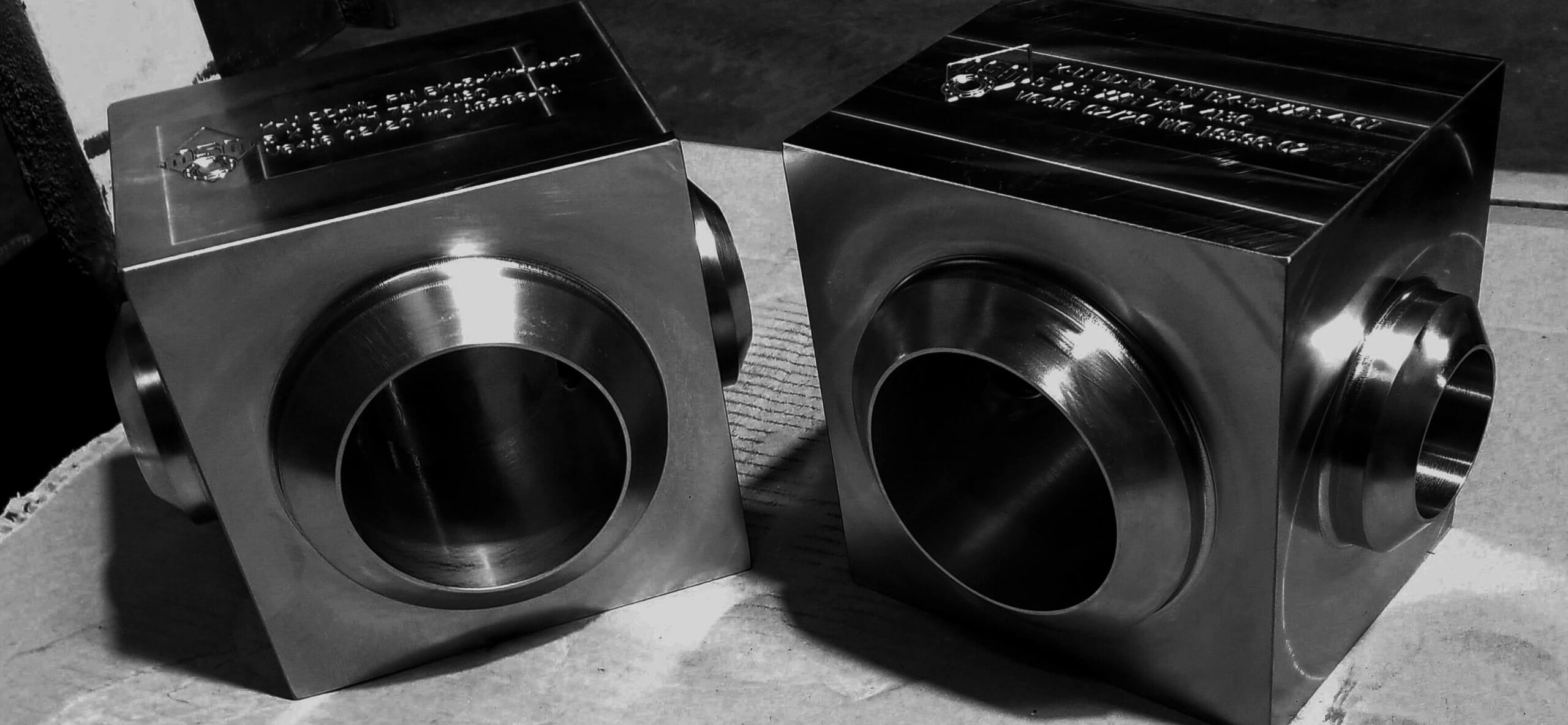
Cushion Tee & Cross: Enhancing Efficiency and Performance in Industrial Pipelines
In this blog, we will look closer at cushion tee and cross, their unique design…
Read More
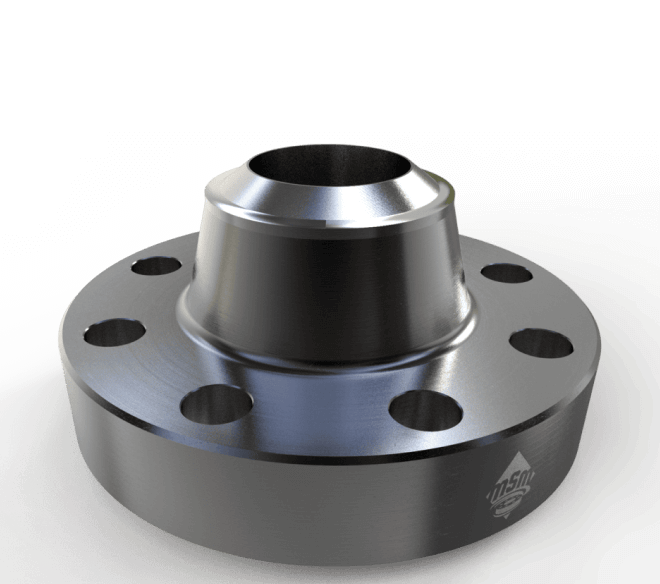
Unlocking the Power of API 6A Flange: The Ultimate Solution for Safe and Reliable Oil and Gas Operations
This article will discuss the functionalities and applications of API 6A flanges and provide valuable…
Read More
Flange Dimensions Demystified: The Key to Precision & Performance
This blog reviews the key factors that influence flange dimensions.
Read More
Everything You Need To Know About Overlay Welding
This article will discuss overlay welding applications and methods.
Read More
Ready to get started?
Our team is ready to deliver a custom quote that meets your project’s specifications.